




Now Reading: US Military AI Integration: Advancing Defense Strategy
-
01
US Military AI Integration: Advancing Defense Strategy

US Military AI Integration: Advancing Defense Strategy
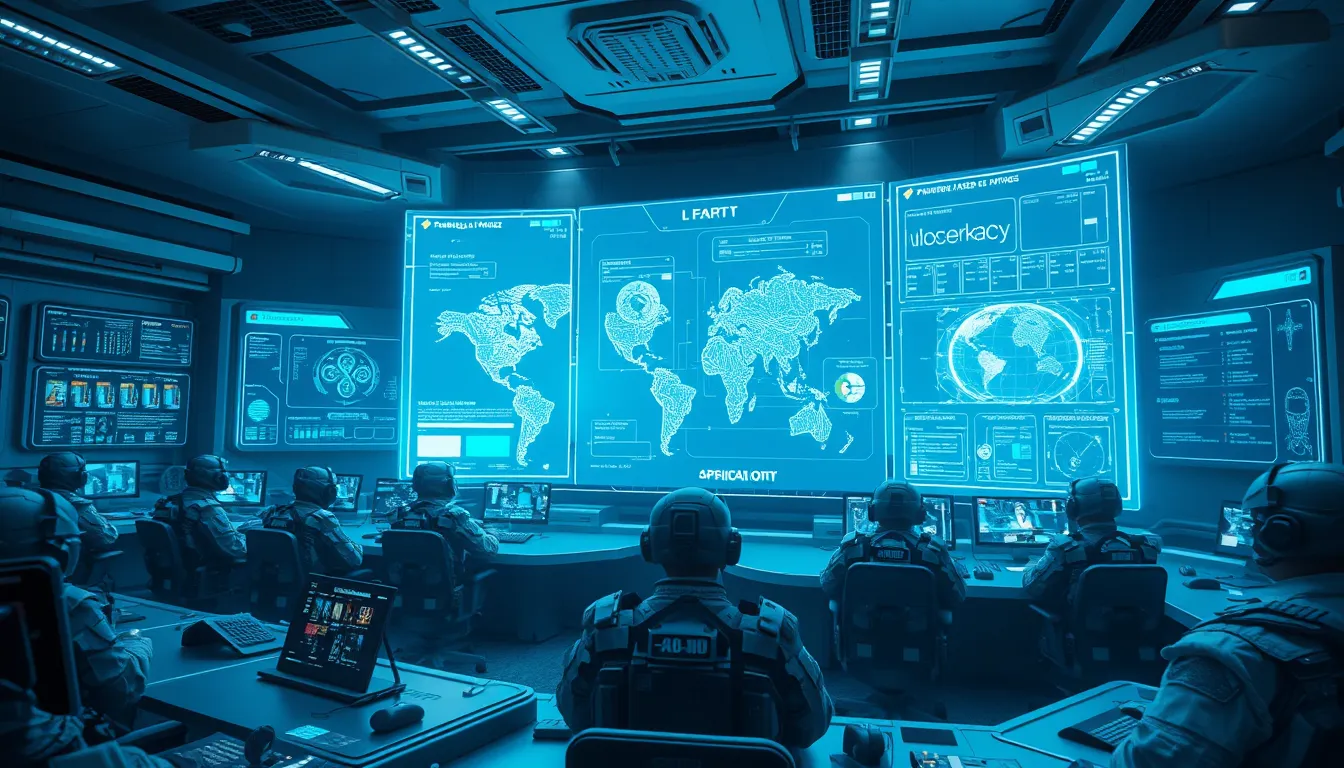
In an era marked by rapid technological change and shifting defense paradigms, US Military AI integration is emerging as a pivotal focus for modernizing defense technology. This innovation is not just about autonomous systems but represents a holistic transformation in military operational efficiency and strategic planning. By integrating cutting-edge AI models from leaders like OpenAI (visit https://openai.com for more details), the US military is redefining decision-making in high-pressure environments.
Pioneering Advancements in Defense Technology
The incorporation of advanced AI into military applications is fundamentally changing how defense strategies are crafted and executed. US Military AI integration leverages the agility of open-weight AI models to enhance analytics, simulation, and real-time computational power. The benefits of this integration can be seen in several key areas:
- Enhanced Situational Awareness: AI-powered systems provide a 360-degree view of complex battlefields, supporting faster responses and efficient resource allocation.
- Improved Tactical Decision-Making: Through rapid data processing and predictive analytics, commanders can make informed decisions, reducing the chances of error in critical scenarios.
- Increased Operational Efficiency: With streamlined processes and automated data management, military operations benefit from reduced reaction times and improved outcomes.
These advancements are not being pursued in isolation. The integration of artificial intelligence is embedded into comprehensive military strategies designed to meet emerging threats and complex geopolitical challenges. By incorporating secondary keywords like defense technology and AI decision-making, the US military is setting a new standard in operational readiness.
How AI Models Enhance Military Strategic Planning
One of the core benefits of this new integration is found in the realm of strategic planning. Detailed simulations powered by AI models allow defense strategists to predict and prepare for various scenarios. Many defense experts are now asking: how AI models enhance military strategic planning? The answer lies in the ability of AI to process vast amounts of data at unprecedented speeds, thereby providing accurate predictive models that help forecast potential outcomes. Such insights are crucial for effective maneuvering during both training exercises and real-world operations.
Furthermore, transparency in AI plays a vital role in ensuring that the integration remains beneficial and ethically sound. Open-weight models, in contrast to proprietary black-box algorithms, foster a collaborative environment where feedback and iterative improvements lead to safer, more reliable systems. This transparency not only boosts confidence among military personnel but also addresses long-standing concerns about control and oversight in automated decision-making.
Overcoming Challenges and Ethical Considerations
The journey toward integrating AI into military operations is not devoid of challenges. Critics emphasize the risks associated with reducing human oversight and the potential for adversarial exploitation. Key challenges include:
- Ethical Concerns: Ensuring that AI-driven decisions align with moral and legal standards remains a priority, particularly in scenarios where human lives are at stake.
- Data Security: With increased reliance on AI and digital networks, safeguarding sensitive military data becomes even more critical.
- Operational Risks: Unintended consequences might arise if AI systems malfunction or if adversaries manage to exploit vulnerabilities.
It is imperative that US Military AI integration is implemented alongside robust safeguards. This means incorporating rigorous testing, continuous monitoring, and establishing clear protocols for intervention. The collaboration between technology developers and military strategists must maintain a balance between innovation and security. The US Department of Defense (learn more at https://www.defense.gov/) has already initiated several pilot programs to explore these safeguards in real-world scenarios.
The Future of Military Operations with AI
As technological advancements accelerate, US Military AI integration is poised to bring about a paradigm shift in defense strategy. The benefits of open-weight AI in defense are not limited to improved strategic planning; they also extend to enhanced training simulations, better resource management, and a more agile response to emerging threats. In a landscape where traditional military tactics are constantly being re-evaluated, the integration of AI offers a decisive edge by streamlining communications, augmenting intelligence capabilities, and bolstering overall mission readiness.
Moreover, the transparency inherent in open-weight models promises to foster an environment of cooperative development and innovation. Stakeholders from various disciplines—including cybersecurity, operational research, and military ethics—are actively engaged in shaping the future of these systems. This multi-disciplinary approach ensures that any potential pitfalls are addressed proactively, promoting sustainable growth in military technology.
Conclusion
US Military AI integration is driving a transformative shift in defense strategy. By harnessing the power of advanced AI models, the military is enhancing its strategic planning, operational efficiency, and overall defense technology. The journey forward, while fraught with challenges related to ethics and data security, also opens unprecedented opportunities for innovation in military operations. As this integration continues to evolve, it sets the stage for a more secure and responsive defense framework that is well-equipped to meet the complexities of modern warfare.
In summary, the innovative use of AI in military applications not only redefines tactical and strategic paradigms but also underscores the importance of maintaining transparency and ethical standards. With continuous research, collaboration, and rigorous testing, US Military AI integration promises ongoing improvements in defense technology, paving the way for a future where military operations are both smarter and safer.
US Military AI integration remains a cornerstone of advanced defense innovation, securing its position as a key driver of modern military strategy.
Stay Informed With the Latest & Most Important News
Previous Post
Next Post
















Advertisement