

Now Reading: Innovative AI-Generated Cinematography in House of David
-
01
Innovative AI-Generated Cinematography in House of David

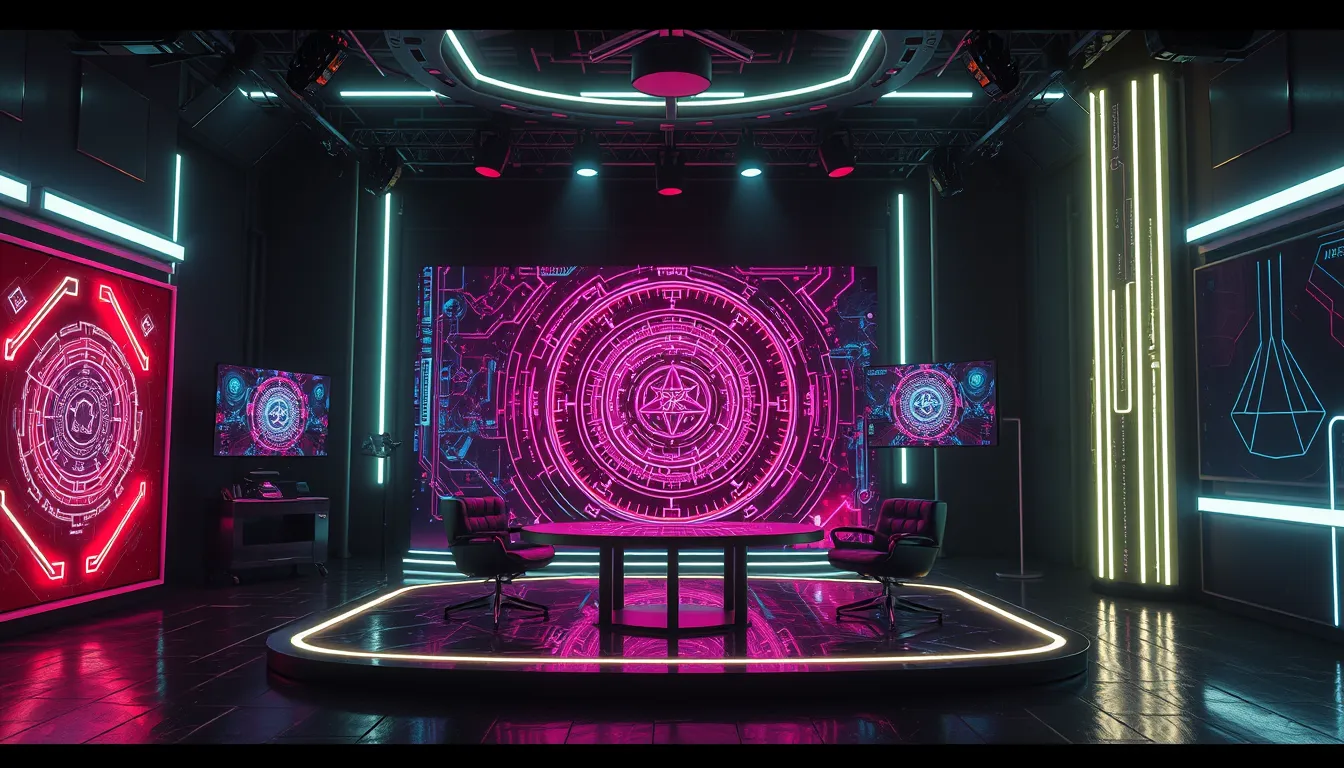
Innovative AI-Generated Cinematography in House of David
In today’s rapidly evolving film industry, the integration of technology and art is more apparent than ever. The groundbreaking approach to AI-generated cinematography in House of David not only redefines visual storytelling but also opens up discussions about the role of digital augmentation in filmmaking. With over 350 AI-enhanced scenes, this production has ushered in a new era where technology meets creative expression, captivating audiences and transforming traditional cinematography.
The Dawn of a New Era in Filmmaking
The film industry is witnessing a paradigm shift with the advent of AI in storytelling. The innovative use of AI-generated cinematography represents a blend of state-of-the-art technology and artistic vision. By integrating digital augmentation in filmmaking and employing advanced AI production techniques, directors are now able to push the creative envelope and deliver visually stunning narratives. This transformation offers filmmakers the ability to experiment with visuals, create dynamic scenes, and even reimagine how stories are told on screen.
How AI-Generated Shots Enhance Narrative in House of David
One of the most compelling aspects of House of David is its innovative approach to visual storytelling. In this series, AI-generated cinematography is not merely a technical experiment; it plays a pivotal narrative role. By using AI tools to generate and enhance shots, the creators have managed to weave technology seamlessly into the fabric of the narrative. This raises an important question: how AI-generated shots enhance narrative in House of David and contribute to character developments and thematic depth.
The approach taken in House of David involves several strategic elements:
- Seamless Integration: The AI technologies are integrated with traditional filming methods to produce a harmonious blend of live-action and digital effects.
- Enhanced Visuals: Scenes benefit from refined aesthetics and imaginative visuals that add layers of meaning to the storyline.
- Narrative Depth: The digital enhancements are used deliberately to highlight emotional beats and pivotal moments, enriching the story without overshadowing the human element.
Benefits of Merging AI with Traditional Cinematography
The fusion of technology and art has its share of advocates and critics. Proponents argue that the benefits are substantial, paving the way for endless creative possibilities. The use of AI-generated cinematography and digital augmentation in filmmaking brings several advantages:
- Elevated Creativity: By incorporating AI production techniques, filmmakers can explore unconventional cinematographic styles that were previously unattainable.
- Cost and Time Efficiency: AI-driven solutions can help optimize production processes, reduce manual reshoots, and allow teams to reimagine scenes with greater flexibility.
- Enhanced Viewer Engagement: With visually striking AI-enhanced shots, audiences are more likely to be captivated, leading to a richer viewing experience.
While critics voice concerns about diminishing human creativity, many industry experts believe that AI is a tool that complements traditional filmmaking. When used responsibly, it can act as a catalyst for innovation, rather than a replacement for artistic vision.
The Intersection of Technology and Storytelling
The debate surrounding AI-generated cinematography in House of David reflects broader questions about the future of art and technology. As filmmakers experiment with digital tools and AI-driven methods, the narrative potential of films is expanded beyond the constraints of conventional techniques. The integration of technology in storytelling is not about replacing the human touch; rather, it is about enhancing it by providing novel ways to visualize complex ideas and emotions.
Moreover, the success of House of David serves as a blueprint for future productions. As the industry continues to embrace AI, digital augmentation in filmmaking is likely to become a mainstay. Filmmakers can look forward to even more creative freedom, exploring uncharted territories where the boundaries between technology and artistry blur.
Looking Ahead: The Future of Cinematography
As we look ahead, the revolutionary impact of AI-generated cinematography in productions like House of David gives us a glimpse into the future of filmmaking. It’s an exciting time where digital tools empower creators to push beyond traditional limits and experiment with new storytelling techniques. The conversation now shifts towards understanding how AI can be harnessed to amplify not just the visual appeal but also the emotional depth of narratives.
This innovative method is redefining what is possible in the film industry. As AI continues to evolve, its role in shaping the future of cinematography will only grow more significant. With filmmakers expressing optimism and a willingness to experiment, the integration of AI in storytelling will likely lead to groundbreaking achievements in visual art.
Conclusion
House of David stands as a testament to the transformative power of technology in the arts. Through its bold use of AI-generated cinematography, the series demonstrates that digital enhancements can coexist with traditional methods to produce compelling, immersive narratives. Whether through the innovative blend of digital augmentation in filmmaking or the practical applications of AI production techniques, the future of cinematography looks set to be defined by creativity and technological advancement.
As filmmakers and audiences navigate this evolving landscape, one thing remains clear: the fusion of technology and storytelling offers limitless possibilities. Embracing these advancements and understanding how AI-generated shots enhance narrative in House of David might just be the key to unlocking a new era of cinematic brilliance.
Stay Informed With the Latest & Most Important News
Previous Post
Next Post











Advertisement