



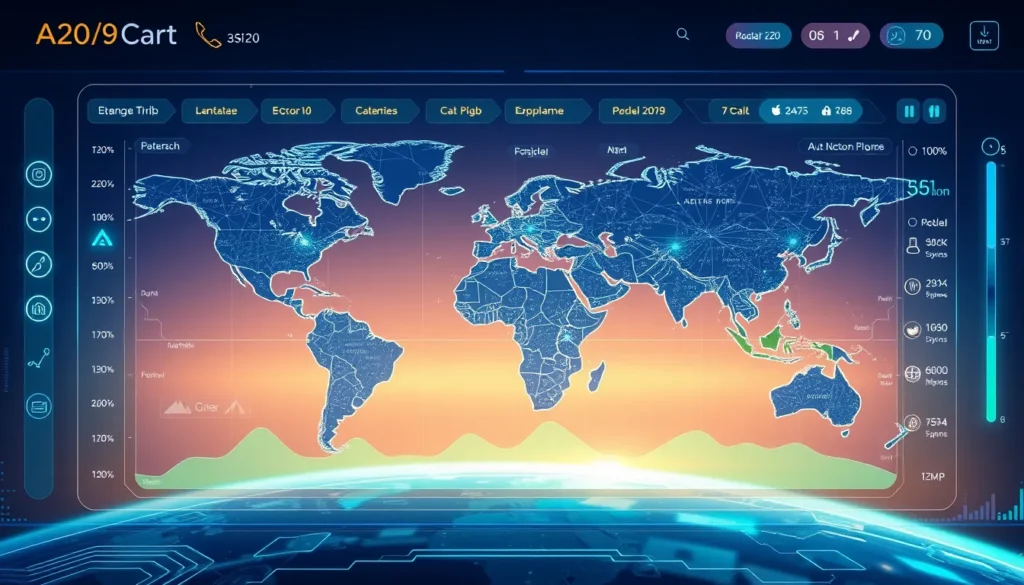

Now Reading: AI in Climate Science: Transforming Weather Prediction for a Better Future
-
01
AI in Climate Science: Transforming Weather Prediction for a Better Future

AI in Climate Science: Transforming Weather Prediction for a Better Future
In today’s rapidly evolving world, AI in climate science has become a breakthrough technology that is reshaping how we understand and predict natural phenomena. With the integration of advanced machine learning models and real-time data analytics, scientists are now able to deliver weather prediction and environmental forecasting with unprecedented accuracy. This transformation in forecasting not only enhances our preparedness for severe weather events but also drives sustainable urban planning and disaster mitigation strategies on a global scale.
The Role of AI in Weather Prediction and Environmental Forecasting
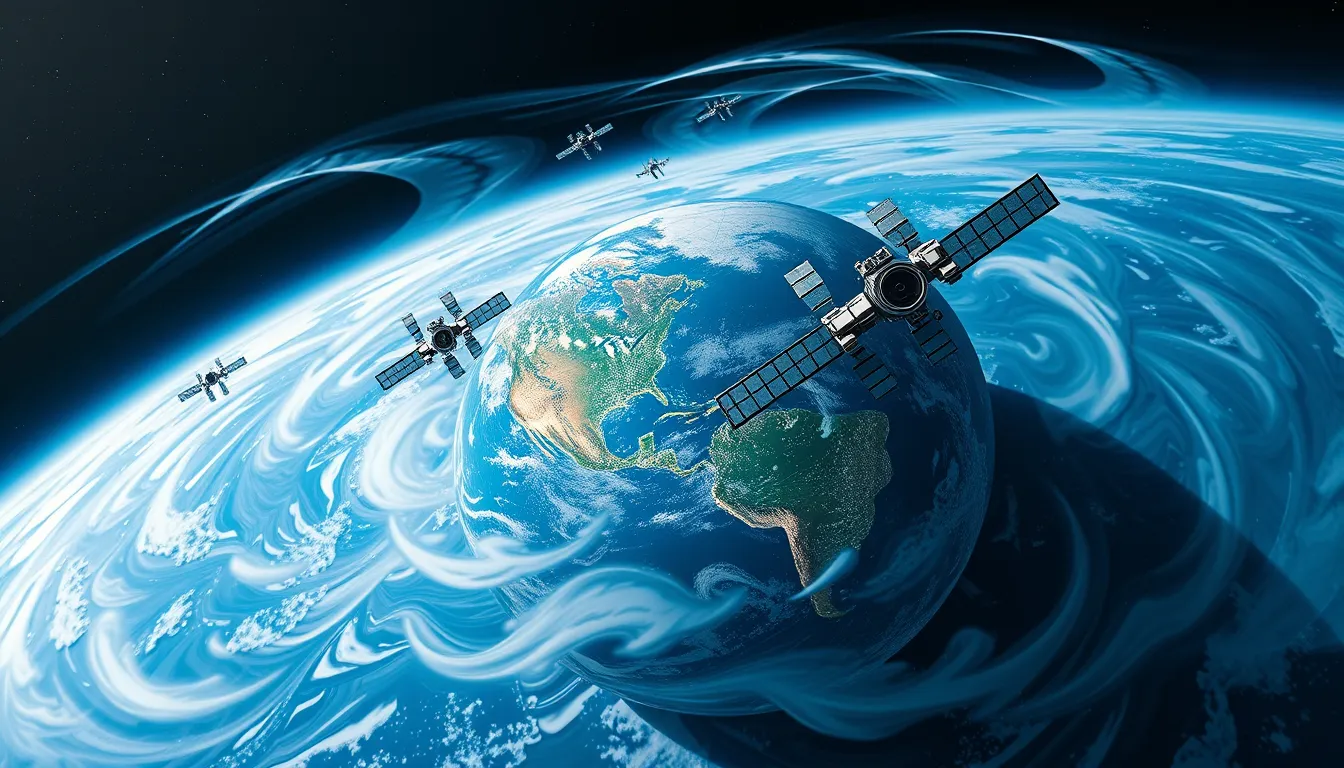
Artificial intelligence is redefining traditional meteorological practices. By harnessing large volumes of data from satellites, ground-based sensors, and atmospheric research stations, AI algorithms sift through enormous datasets to identify patterns that were previously undetectable. In particular, AI in climate science is pivotal in improving both short-term weather prediction and long-term environmental forecasting. This approach enhances our ability to anticipate disruptions in weather patterns, enabling government agencies and emergency services to respond more effectively.
Enhancing Forecasting with Machine Learning and Real-Time Data Analytics
One of the core components of modern forecasting is the use of machine learning climate forecasting techniques. These methods allow researchers to process historical weather data alongside current observations to generate forecast models that are both dynamic and adaptive. For example:
- Machine Learning Climate Forecasting: Techniques involving neural networks and deep learning have increased the precision of predictive models.
- Real-Time Data Analytics for Weather: Instantaneous analysis of atmospheric data allows for near real-time predictions of sudden weather changes.
- Predictive Analytics in Environmental Science: Coupling statistical analysis with AI helps in understanding long-term climatic trends and potential disruptions.
By employing these advanced methods, stakeholders are able to plan for a variety of scenarios ranging from routine weather changes to severe, potentially catastrophic events. Moreover, the collaboration between climatologists, data scientists, and policymakers is leading to more resilient strategies for environmental management.
Case Studies: How AI Transforms Climate Prediction
The impact of AI in climate science is best illustrated through real-world applications. Across the globe, regions prone to extreme weather conditions are leveraging AI technologies to improve their predictive capabilities. A few noteworthy examples include:
- Enhanced Hurricane Warnings: By integrating AI weather prediction models, meteorological departments can forecast hurricanes and other tropical storms with greater precision, offering communities vital extra time to secure evacuation plans.
- Flood and Drought Forecasting: AI integration with environmental data has led to improved predictions of floods and droughts, which helps in the optimal allocation of water resources and disaster management funds.
- Urban Climate Resilience: In cities, planners are using predictive analytics in environmental science to design infrastructure that can withstand extreme temperature variations and sudden weather events.
These cases illustrate how turning data into actionable insights not only saves lives but also contributes to sustainable development practices. In this context, the power of AI is not just about real-time reaction, but about fostering a long-term commitment to climate resilience.
Predictive Analytics and AI Integration with Environmental Data
The synergy between predictive analytics and AI integration with environmental data is driving innovation in climate science. This approach uses sophisticated algorithms to correlate historical climate records with real-time weather data, thus generating projections that can anticipate severe weather events. Such methods are central to initiatives like anticipating severe weather using AI, where both immediate responses and strategic planning benefit immensely.
The Future of Climate Science: Anticipating Severe Weather Using AI
Looking ahead, the continuous evolution of artificial intelligence promises even greater strides in climate prediction. As data becomes increasingly granular and AI models more refined, we can expect these technologies to further narrow the gap between prediction and reality. The future will likely see AI becoming indispensable not only in daily weather forecasting but also in shaping adaptive responses to climate change. With cities potentially reimagined to address future environmental challenges, governments and businesses alike are investing heavily in these technologies to ensure a safer, more sustainable future.
In addition, the growing role of real-time data analytics for weather is empowering researchers to quickly adjust their models as new atmospheric phenomena are observed. This dynamic interplay between technology and nature helps create a robust informational backbone that supports every facet of environmental planning. As a result, communities worldwide are better equipped to manage the uncertainties of natural events and mitigate the adverse effects of climate change.
Conclusion: Embracing AI to Safeguard Our Climate Future
The integration of AI in climate science is a testament to the transformative power of technology. From machine learning-driven forecasting to sophisticated predictive analytics, AI is providing the tools necessary to anticipate and mitigate the impacts of severe weather. Whether it is in the realm of immediate disaster response or in long-term sustainable urban planning, the benefits of AI-based innovations are clear.
By continuously refining these technologies, we are not only enhancing our understanding of climate dynamics but also paving the way for a future where technology and nature work in tandem. Embracing AI in climate science is essential to protecting lives, optimizing resource allocation, and ensuring that our environment is resilient in the face of uncertainty. As we move forward, the collaborative efforts of researchers, policymakers, and technologists will remain central to harnessing the full potential of AI in transforming weather prediction and environmental forecasting.
In summary, the advances in AI in climate science underline the importance of innovative solutions in predicting weather anomalies and fostering sustainable progress. By leveraging machine learning, predictive analytics, and real-time data analysis, our capacity to safeguard our planet is stronger than ever. With continuous research and development, the future of climate resilience is not just promising—it is within reach.
Stay Informed With the Latest & Most Important News
Previous Post
Next Post
















Advertisement