





Now Reading: Trump Executive Order AI: Shaping National AI Regulation
-
01
Trump Executive Order AI: Shaping National AI Regulation

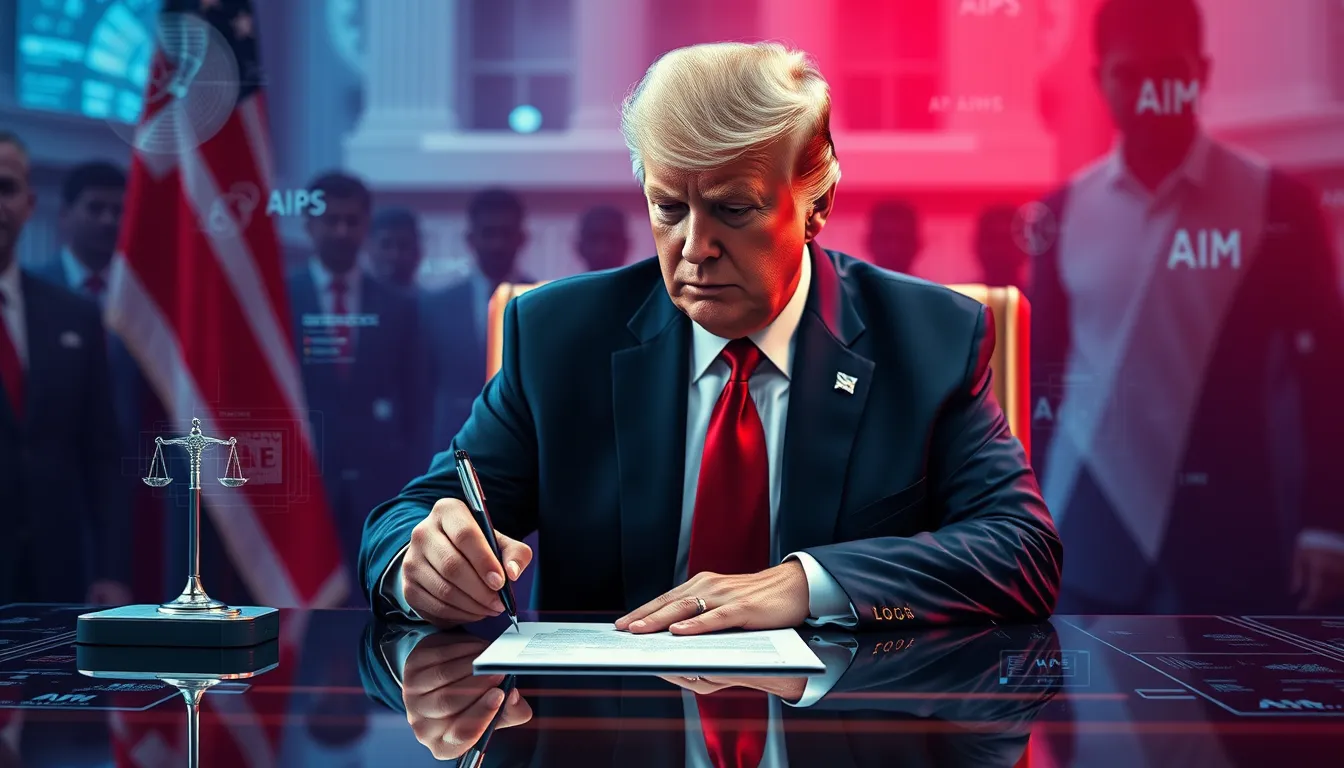
Trump Executive Order AI: Shaping National AI Regulation
In a striking move that has stirred political and technological debates, former President Donald Trump introduced a draft executive order aimed at rebalancing oversight on emerging artificial intelligence (AI). This proposal, widely referenced as the Trump executive order AI initiative, seeks to challenge and potentially overturn state-level regulations, arguing that a unified federal approach nurtures innovation and economic growth.
Introduction
The proposed executive order targets state-level AI regulations that many believe may slow innovation. By questioning the existing patchwork of localized laws, especially in states like California and New York, the initiative insists that a more centralized regulatory framework would reduce uncertainty and promote streamlined AI innovation. The order also highlights the need for coherent consumer protection in AI, addressing concerns about data privacy and bias in algorithmic decision-making. In this article, we explore the impact of Trump executive order AI on state governance, the ensuing legal debates, and its broader implications for AI innovation.
Federal Regulation vs. State Oversight
The core of the debate centers on the tension between federal regulation and state autonomy:
- Federal proponents argue that a unified national standard is critical in a competitive global technology landscape.
- State supporters assert that tailored local regulations better address community-specific needs and protect consumer rights.
- Critics worry that dismantling state laws might lead to regulatory gaps, affecting consumer protection in AI.
Trump’s draft order posits that the current patchwork of state-by-state policies creates regulatory uncertainty. In contrast, a standardized federal approach would:
- Simplify the regulatory process for AI companies.
- Encourage robust investments in AI technology.
- Reduce litigation risks arising from conflicting state and federal mandates.
This debate is not just about eliminating hurdles to innovation but also about protecting citizens from potential risks associated with unregulated AI development.
Impact on AI Innovation and Economic Growth
The order makes a case for how streamlined regulation can boost AI innovation by removing barriers that may stifle technological progress. Supporters emphasize that:
- Clear, unified guidelines can attract more investment in AI research and development.
- Eliminating contradictory state laws can create a more predictable environment for businesses.
- Federal oversight can facilitate quicker decision-making in areas like autonomous vehicles, health technology, and cybersecurity.
However, the potential acceleration of innovation comes with a caveat: without stringent checks, there might be risks related to consumer protection and ethical AI usage. The order’s advocates believe that modernizing the regulatory framework would protect the United States’ leadership in the global AI race, ensuring long-term economic benefits and maintaining competitiveness against nations with centralized policies.
Legal and Policy Landscape
Legal experts have highlighted that if the Trump executive order AI is fully implemented, it may lead to a series of high-stakes legal battles. Key points include:
- The reallocation of regulatory authority from state governments to the federal body could set a precedent for future disputes over power.
- The legal battles might span across issues of consumer rights, privacy, and ethical AI practices.
- Both proponents and opponents of the order agree that the transition to a federal framework would not be seamless and may trigger prolonged litigation.
For detailed legal insights on federal regulatory proposals, refer to the official publications at the Federal Register.
Consumer Protection and Regulatory Uncertainty
While the initiative is portrayed as a boost to innovation, critics argue that it risks undermining state governments’ role in safeguarding consumers. The concerns include:
- Reduced state oversight could lead to less stringent consumer protection measures.
- A broad federal mandate might overlook unique regional challenges, leaving some communities more vulnerable.
- The diminished role of states in regulation might affect transparency and localized accountability among AI companies.
These concerns have sparked vigorous debate. Many experts call for a balanced approach that marries streamlined federal standards with robust consumer safeguards. Insights on integrating local and federal perspectives can be found at GovInfo.
Concluding Thoughts
The Trump executive order AI proposal is more than just a regulatory change. It represents a broader ideological battle over control and oversight in the realm of emerging technologies. As legal experts, state officials, and technology leaders continue their discussions, it is clear that both innovation and consumer protection must be carefully managed.
Key takeaways from the ongoing debate include:
- The necessity of a unified national policy to drive innovation in AI.
- The importance of protecting consumer rights and ensuring ethical practices in technological advancements.
- The potential for significant legal challenges as the federal government seeks to recalibrate the balance of power.
Ultimately, the resolution of these issues will shape the future of AI governance in the United States. The nation watches closely as the implications of maintaining or dismantling state laws unfold, with each stakeholder bringing a unique perspective to the table.
As this dynamic debate continues, one thing remains clear: balancing the drive for technological innovation with regulatory responsibility is crucial. In an era defined by rapid digital transformation, the decisions made today will set the stage for the future of AI and the broader tech ecosystem.
In summary, the Trump executive order AI initiative serves as a critical juncture in American AI policy. Regardless of the outcome, its influence will reverberate across the legal, economic, and technological landscapes for years to come.
Stay Informed With the Latest & Most Important News
Previous Post
Next Post
















Advertisement