




Now Reading: AI in Healthcare Diagnostics: Boosting Patient Care
-
01
AI in Healthcare Diagnostics: Boosting Patient Care

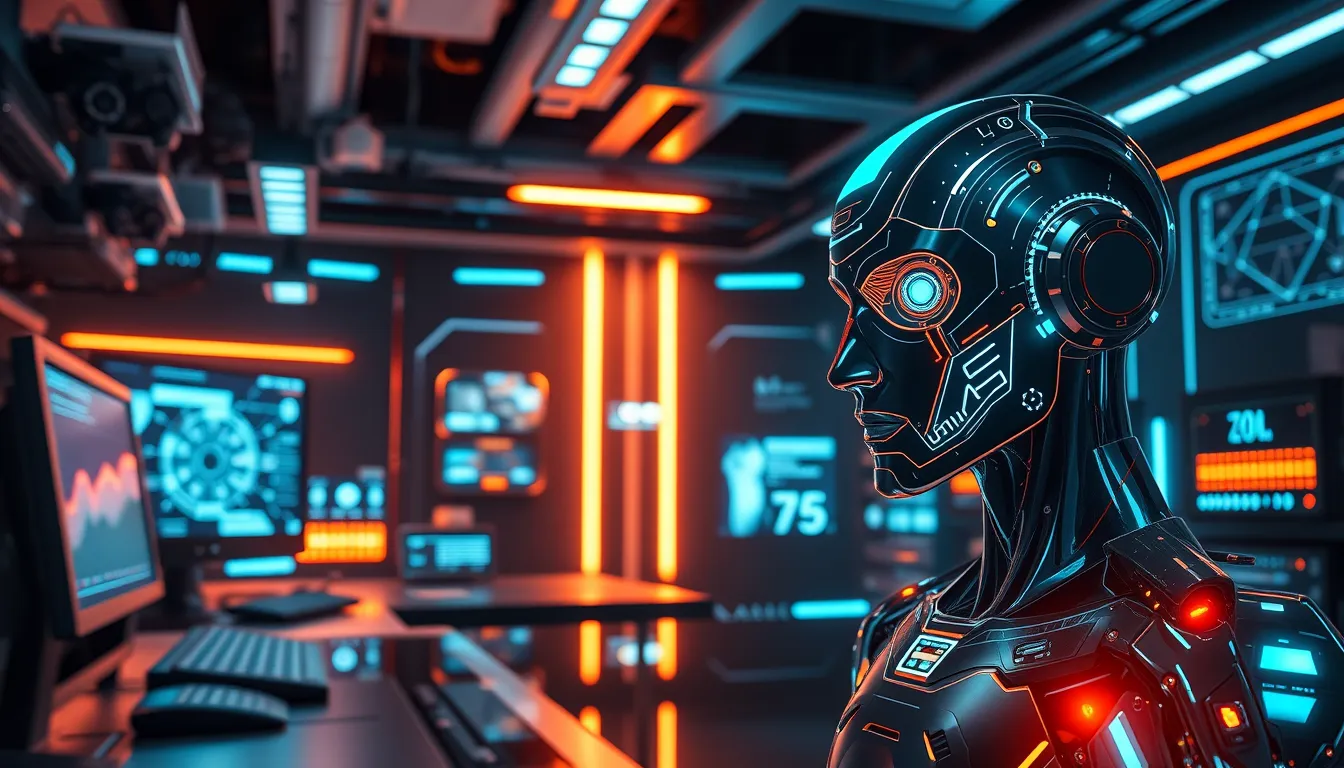
AI in Healthcare Diagnostics: Boosting Patient Care
Introduction
The field of healthcare has witnessed a revolutionary transformation with the integration of artificial intelligence. Particularly, AI in healthcare diagnostics is emerging as a critical tool in improving patient outcomes, enhancing diagnostic accuracy, and streamlining patient care. In this article, we explore how AI in healthcare diagnostics is reshaping the future of medicine, the key benefits, and the challenges that lie ahead.
Understanding AI in Healthcare Diagnostics
AI in healthcare diagnostics refers to the use of advanced machine learning algorithms and data analysis to aid in the detection and diagnosis of diseases. These systems analyze vast amounts of data from medical images, patient records, and genetic information to provide insights that support doctors in decision-making processes. The primary focus is to reduce errors, accelerate the diagnosis process, and personalize treatment plans.
Key Benefits of AI in Healthcare Diagnostics
There are several compelling advantages to integrating AI in healthcare diagnostics:
- Improved Accuracy: AI systems can analyze data without human error, reducing misdiagnoses.
- Faster Processing: Automated diagnostics speed up the time it takes to reach a diagnosis, which is particularly vital during emergencies.
- Enhanced Disease Prediction: Through continuous learning, AI algorithms become more proficient at predicting disease progression.
- Cost Efficiency: By automating routine tasks, healthcare providers can focus on patient care, ultimately reducing overall costs.
How AI is Revolutionizing Medical Imaging
Medical imaging is one of the core areas where AI in healthcare diagnostics makes a significant impact. Advanced imaging techniques, such as CT scans, MRIs, and X-rays, combined with AI technologies, produce highly detailed analyses. These analyses not only detect early signs of diseases like cancer but also improve the clarity and accuracy of the diagnostic images. For instance, AI-driven imaging tools have been shown to spot irregularities that might be overlooked by the human eye.
Real-World Applications of AI in Healthcare Diagnostics
Across the globe, hospitals and research centers are integrating AI solutions to enhance diagnostics. Some real-world examples include:
- Disease Prediction Systems: AI tools that predict the onset and progression of diseases such as diabetes, heart conditions, and certain cancers.
- AI-enhanced Radiology: Tools that help radiologists detect minute details in scans and imaging tests.
- Personalized Treatment Plans: AI in healthcare diagnostics helps in understanding patient-specific factors, leading to tailored treatment strategies.
Challenges and Considerations
Despite the remarkable advances, several challenges persist in the widespread adoption of AI in healthcare diagnostics. Data privacy concerns, the need for extensive training data, and the integration of AI systems with existing hospital infrastructures are just a few of the hurdles. Additionally, ensuring algorithm transparency and avoiding biases are critical steps that the healthcare industry must address.
Moreover, regulatory approvals and the need for human oversight remain vital. It is essential that while AI complements diagnostic efforts, the expertise of medical professionals is not overshadowed. Both the technology and clinical insights must work in unison to achieve optimal patient outcomes.
The Future of AI in Healthcare Diagnostics
Looking ahead, the impact of AI in healthcare diagnostics is expected to grow significantly. Ongoing research and technological advancements are paving the way for more robust diagnostic tools. For instance, companies like OpenAI and Google Health are pioneering projects that integrate AI into clinical workflows. Such collaborations signal a promising future where diagnostics are not only faster and more accurate but also more accessible across various demographics.
How AI Improves Diagnostic Accuracy
One of the most talked-about benefits is how AI improves diagnostic accuracy. By analyzing data from electronic health records and utilizing deep learning, AI in healthcare diagnostics is able to identify patterns that may indicate early signs of disease. This proactive approach means that doctors can intervene sooner, potentially saving lives and reducing long-term treatment costs.
Conclusion
The integration of AI in healthcare diagnostics marks a pivotal moment in modern medicine. From improving medical imaging clarity to predicting disease progression, the benefits of this technology are vast. While challenges such as data privacy and system integration need to be addressed, the future of AI in healthcare diagnostics is undeniably promising. As we continue to refine these systems, the ultimate goal remains clear: to boost patient care through innovative, accurate, and efficient diagnostic solutions.
In summary, AI in healthcare diagnostics is not just a technological trend but a transformative force that will redefine patient care in the years to come. Embracing these advancements allows healthcare professionals to provide more accurate and timely treatments, ensuring a healthier future for all.
Stay Informed With the Latest & Most Important News
Previous Post
Next Post
















Advertisement