



Now Reading: Revolutionary AI Relationships: Redefining Digital Intimacy
-
01
Revolutionary AI Relationships: Redefining Digital Intimacy

Revolutionary AI Relationships: Redefining Digital Intimacy
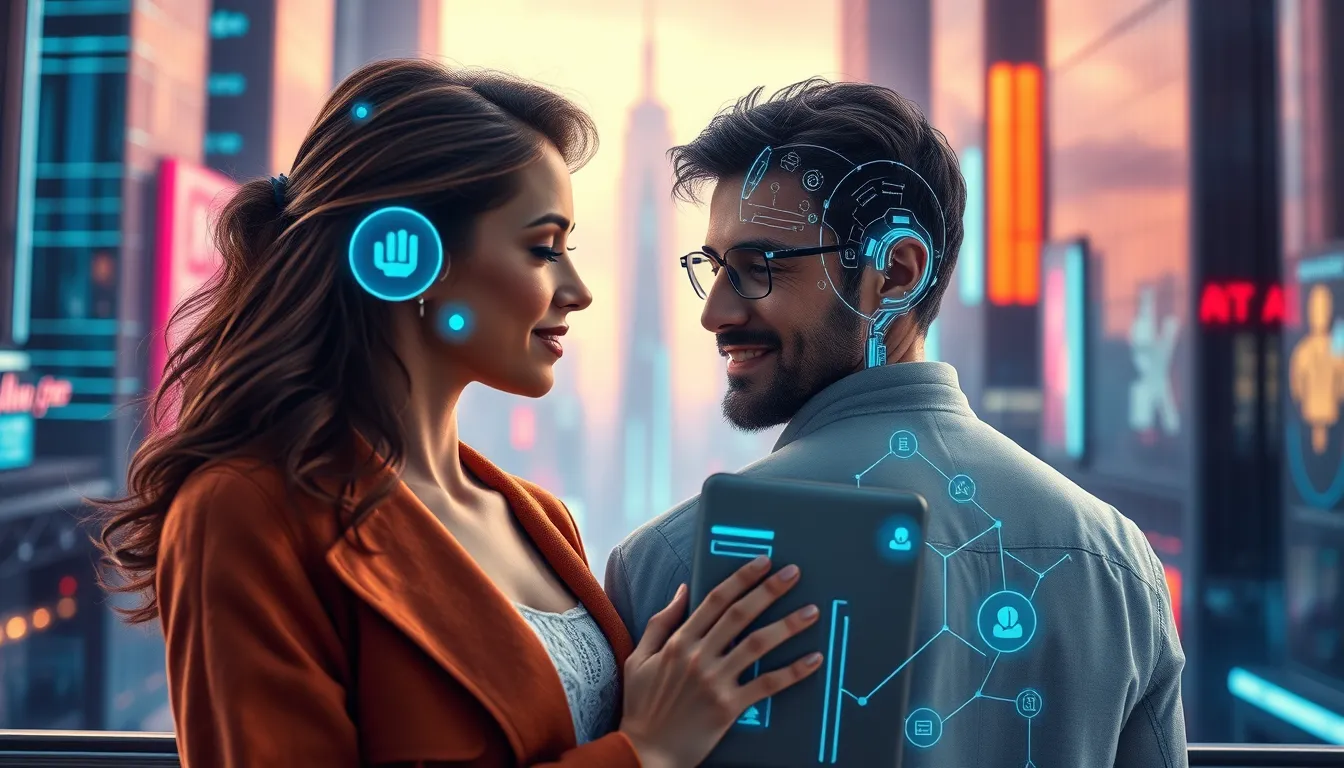
In today’s rapidly evolving digital era, the concept of AI relationships is transforming how individuals experience love, companionship, and intimacy. As emerging technologies continue to shape our everyday lives, AI relationships are now influencing everything from casual dating to deeply rooted marital bonds. This new wave of digital intimacy presents both promising innovations and potential challenges. In this article, we explore how AI relationships not only redefine emotional connection but also impact marriage dynamics and societal norms.
The Emergence of AI Relationships
Recent trends indicate that artificial intelligence is redefining the way we approach traditional relationships. Early experiments with chatbots and virtual assistants gradually evolved into sophisticated digital companions. These systems, powered by advanced algorithms, are capable of engaging in meaningful conversations and even learning personal preferences. As individuals increasingly turn to AI for emotional support, it is clear that AI relationships are establishing a significant presence in modern society.
From AI-powered digital platforms to interactive virtual companions, the rise of AI in relationships is evident. Experts highlight that the primary allure of AI relationships lies in their ability to offer non-judgmental, constant availability—a sharp contrast to the unpredictability often found in human interactions. However, this constant availability also raises questions about the long-term impact on human intimacy and real-life connections.
AI Companions: Benefits and Risks
A dedicated examination of AI companions reveals a complex balance of benefits and risks. On one side, AI companions offer consistent support, convenience, and personalized interactions. Some users report that these digital interactions serve as a comforting resource during times of isolation. Conversely, critics emphasize that AI companions might detract from genuine human interaction and emotional growth.
Benefits:
- Instant emotional support and companionship
- Personalized interactions based on user data
- High availability without judgment
Risks:
- Potential overreliance leading to social isolation
- Reduced emphasis on human empathy and understanding
- Challenges in differentiating digital interactions from real relationships
Digital Intimacy and Its Impact on Marriage
The rapid integration of AI relationships has significant ramifications for marital dynamics. Many couples now face the challenge of balancing technology with traditional relationship values. For instance, digital intimacy that emerges from AI interactions can sometimes lead to feelings of neglect or jealousy within a marriage. Questions about digital infidelity and the intrusion of AI companions into intimate spaces are increasingly becoming topics of serious debate.
Several factors contribute to this delicate balance:
- The lure of seamless digital interaction may diminish the effort invested in nurturing real relationships.
- Emotional disconnect can develop when one partner finds solace in the predictable responses of an AI companion.
- The boundaries between companionship and infidelity become blurred in the context of digital intimacy.
The Future Outlook: Balancing Human Connection with Digital Innovation
Looking ahead, the conversation about AI relationships must focus on balancing the undeniable benefits of digital intimacy with the preservation of human connection. Industry leaders, mental health professionals, and legal experts advocate for clear guidelines and robust support systems. They stress that fostering genuine relationships in a tech-driven society requires both awareness and proactive adaptation.
To address these concerns, several strategies can be implemented:
- Education programs that highlight the benefits and limitations of AI companionship.
- Counseling services designed to help couples navigate the challenges of integrating digital and human interactions.
- Legal frameworks that acknowledge the impact of digital infidelity on marital relationships.
Furthermore, incorporating aspects such as AI-driven innovations in marital counseling and therapy can help couples find a balanced approach. By understanding the potential of AI relationships and the inherent risks of digital intimacy, family law professionals are better equipped to address issues related to “how AI influences marital breakdown” and the “future of divorce in the digital age.”
Conclusion
In conclusion, AI relationships are redefining the landscape of human intimacy and marital dynamics. While digital intimacy offers unprecedented opportunities for connection, it also raises significant concerns about the erosion of traditional relationship values. As technology continues to advance, it is crucial for society to embrace a balanced approach that leverages the positive aspects of AI while safeguarding the fundamentals of emotional and human connection.
Ultimately, the future of AI relationships will depend on our ability to integrate innovative digital tools without compromising the depth of real human interactions. Whether through enhanced counseling, updated legal guidelines, or a more mindful engagement with digital intimacy, it is imperative that the evolution of AI in relationships enriches our lives rather than diminishes the essence of human connection.
For further insights on mental well-being and technology’s impact on relationships, consider visiting reputable sources like the National Institute of Mental Health at https://www.nimh.nih.gov. This balanced perspective will help ensure that as we progress into a digital future, the core values of empathy, love, and genuine connection remain intact.
Stay Informed With the Latest & Most Important News
Previous Post
Next Post
















Advertisement