





Now Reading: Innovative AI in Business Management & AI-Driven Leadership
-
01
Innovative AI in Business Management & AI-Driven Leadership
Innovative AI in Business Management & AI-Driven Leadership


Innovative AI in Business Management & AI-Driven Leadership
In today’s digital era, rapid technological advances and digital transformation are reshaping the landscape of organizations. In the heart of this revolution is the concept of AI in business management. Companies worldwide are integrating AI not only to streamline operations but also to redefine leadership. This article delves into how organizations are harnessing advanced digital tools, such as AI-driven leadership models, to achieve superior operational efficiency, ethical workforce management, and a competitive edge.
The Evolution of AI in Business Management
The transformation in business processes is undeniable. Traditional management roles are evolving as companies adopt AI in business management to reframe decision making. Sophisticated machine learning algorithms and data-driven decision making are becoming central to modern organizations. By employing AI agents throughout the enterprise—from front-line customer service to strategic executive decisions—companies can process vast data streams in real time, optimize operational efficiency, and forecast financial scenarios with remarkable accuracy.
Key benefits of AI in business management include:
- Enhanced decision making based on real-time data
- Automation in business processes that reduces manual error
- Improved efficiency and productivity through digital transformation
- Digital leadership that blends human intuition with data-driven insights
AI-Driven Leadership and Organizational Change
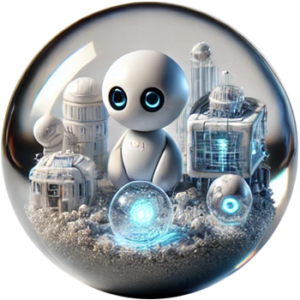
One of the most transformative aspects of the new model is the rise of AI-driven leadership. In traditional settings, seasoned executives rely on years of experience to make strategic choices. However, with AI-driven leadership, organizations are embracing a hybrid approach—merging data analytics with human insights. This shift empowers businesses with faster and more accurate decision making. The image of an AI agent powered solely by data challenges conventional wisdom and paves the way for digitized strategic management.
Ethical Considerations and Workforce Management
As organizations innovate, ethical AI workforce management becomes a focal point. Critics and industry experts alike are concerned about over-reliance on technology, particularly in roles that once required human emotional intelligence. In response, forward-thinking companies are incorporating ethical frameworks to ensure that adoption of these technologies is done responsibly. They emphasize augmentation rather than replacement, guiding discussions on the challenges of AI in executive roles and promoting a balanced human-AI partnership.
For instance, the following measures are often recommended:
- Implement transparent data practices to ensure accountability.
- Establish robust systems against digital threats and errors.
- Regularly audit AI-driven decisions and refine algorithms for fairness.
Organizations are also addressing workforce displacement issues by investing in retraining programs. This approach not only mitigates the challenges of AI in executive roles but also opens new avenues for job creation in areas such as cybersecurity, AI ethics, and system auditing.
The Role of Digital Transformation and AI Integration
Digital transformation remains at the forefront of business innovation. AI in business management is now a key driver for reshaping both customer interactions and internal processes. Through seamless AI integration, companies achieve optimum performance and a competitive edge in their sectors. A pioneering organization recently implemented AI agents across all levels, from routine tasks to strategic executive decisions. This comprehensive integration demonstrates that AI is not just a tool but a transformative force in leadership.
Moreover, effective AI integration requires addressing both operational and ethical concerns. Leaders must be proactive in managing technology risks while capitalizing on the potential of automation in business. Key aspects include continuous learning from data, ensuring the reliability of automated systems, and adhering to emerging regulatory standards.
Overcoming Challenges in AI Adoption
Despite its vast potential, integrating AI in business management poses certain challenges. Companies must plan for potential setbacks such as system errors, data security issues, and resistance to change within legacy structures. These challenges are counterbalanced by the tremendous benefits of AI-driven leadership and automation in business. Successful strategies include:
- Clear communication of digital transformation benefits to all stakeholders
- Dedicated teams to oversee AI ethics and system integrity
- Investment in robust cybersecurity measures to safeguard data and operations
Conclusion: A New Era in Business Leadership
Integrating AI in business management is driving transformative change. The blend of AI-driven leadership with human oversight is revolutionizing how companies tackle decision making, operational efficiency, and workforce management. Ethical considerations and challenges of AI in executive roles remain, but proactive planning and a commitment to digital transformation can mitigate these obstacles.
As we move forward, businesses that harness the power of AI—while addressing ethical and operational challenges—will set new standards in leadership and performance. For more insights on ethical AI and digital transformation, consider exploring resources available at trusted sites like OpenAI and leading industry publications.
In summary, the strategic implementation of AI in business management not only optimizes processes but also redefines leadership. Embracing both technology and ethical strategies can pave the way for a future where human expertise and machine intelligence collaborate seamlessly, driving efficiency, innovation, and sustainable growth.
Stay Informed With the Latest & Most Important News
Previous Post
Next Post















Advertisement