


Now Reading: Unified AI Management: Transforming Robotic Fleets
-
01
Unified AI Management: Transforming Robotic Fleets
Unified AI Management: Transforming Robotic Fleets

Unified AI Management: Transforming Robotic Fleets
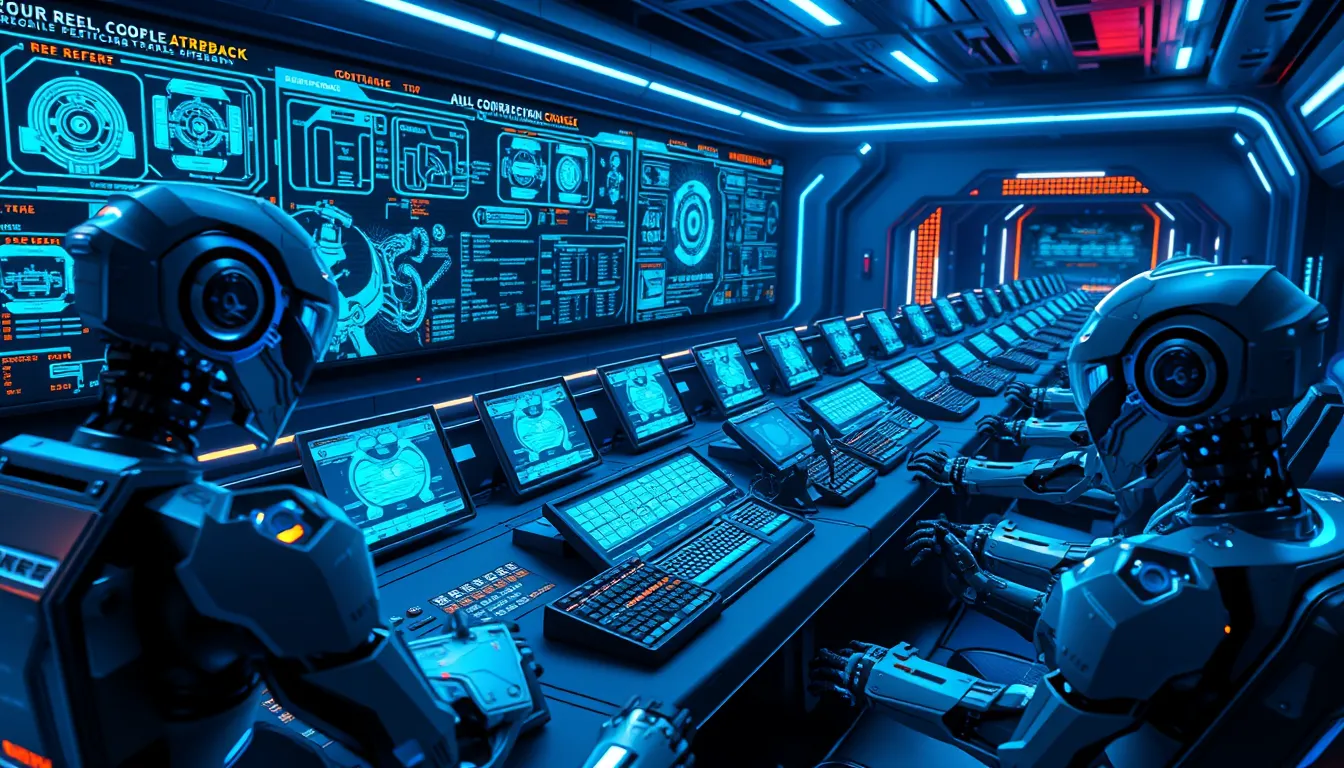
Recent advancements in AI in robotics are paving the way for a future where robotic fleets operate under a single, unified AI management system. This integrated approach is not only redefining robotics operations but also enhancing centralized control, real-time decision-making in robotics, and overall operational efficiency. In this article, we explore how technologies like advanced machine learning are converging to create smarter, more resilient industrial systems.
The Rise of AI in Robotics
The concept of managing entire robotic fleets with a single AI model is rapidly gaining traction. By using a single model to orchestrate multiple robots, industries ranging from manufacturing to logistics are experiencing improved safety protocols and increased productivity. This revolutionary method features:
- Consolidated control mechanisms that streamline robotics operations.
- Real-time decision-making capabilities that adjust to dynamic environments on the fly.
- Enhanced communication between robots to ensure seamless collaboration.
The modern AI framework utilizes advanced machine learning algorithms that enable intelligent systems to analyze vast amounts of data in real time. This helps the robots not only follow pre-programmed instructions but also adapt to unexpected challenges, ensuring minimal downtime and improved operational efficiency.
Unified AI Management for Robotic Fleets
Improved Efficiency and Safety
By adopting Unified AI Management, companies are witnessing significant enhancements in both efficiency and safety. Some of the inherent advantages are:
- Streamlined Processes: One AI model simplifies updates, maintenance, and real-time adjustments.
- Enhanced Safety Protocols: Robots share environmental data instantly, reducing the risk of accidents.
- Predictive Maintenance: Continuous monitoring allows for proactive problem resolution before system failures occur.
Driving Innovation Through Centralized Control
The integration of centralized control reshapes the management of robotic fleets. This system allows for better resource allocation and supports rapid scalability. Critical aspects include:
- Real-time analytics enabled by advanced machine learning.
- Seamless connectivity among robots through secure networks.
- Flexible systems that can be updated on the fly without disrupting operations.
Centralized control plays a pivotal role in ensuring that all robotic units work in harmony, which is essential for industries aiming to push the boundaries of automation and efficiency. Many leading tech companies and robotics firms have begun to implement these solutions, setting the stage for next-generation industrial automation.
How It Works: Managing Entire Robotic Fleets with a Single AI Model
One of the most exciting prospects in the field is the ability to manage entire robotic fleets with a single AI model. This integrated strategy leverages the latest in advanced machine learning techniques and centralized control systems to unify operations and decision-making processes. The following points outline the process:
- Data Aggregation: Information from individual robots is gathered into a central hub.
- Intelligent Processing: The central AI processes data in real time, applying machine learning algorithms to make informed decisions.
- Coordinated Execution: Instructions are sent back to the robotic fleet, guiding synchronized actions across the board.
This real-time, feedback-driven approach ensures that all robots can adapt to sudden changes in the environment. Industries as diverse as autonomous delivery services, smart factories, and warehouse automation are already realizing the benefits of this unified framework.
Real-World Applications and Future Trends
The practical applications of these innovations are extensive. Early pilot projects in manufacturing and logistics demonstrate the potential of unified AI systems to reduce costs, enhance performance, and increase overall system resilience. Real-world benefits include:
- Increased agility in production lines.
- Reduced overhead due to simplified maintenance schedules.
- Improved data security and consistent operational standards.
Furthermore, as more companies invest in state-of-the-art AI systems, future trends indicate a broader integration of these technologies into everyday industrial practices. For instance, industry leaders such as IBM continue to push the envelope with their research in centralized control and AI-powered decision-making.
Conclusion
In summary, the evolution of AI in robotics is set to transform the landscape of industrial operations. The movement towards Unified AI Management for Robotic Fleets is not just a technological upgrade; it represents a paradigm shift that integrates advanced machine learning, centralized control, and real-time decision-making into one cohesive system. As research progresses and successful pilot projects validate these systems, industries will find themselves better equipped to handle the complexities of modern operations with enhanced safety, efficiency, and adaptability.
Embracing this change could pave the way for smarter cities and more robust industrial operations. Moving forward, it will be essential for organizations to invest in comprehensive cybersecurity measures and establish regulatory frameworks to harness the full potential of this groundbreaking technology.
Stay Informed With the Latest & Most Important News
Previous Post
Next Post















Advertisement