




Now Reading: Powerful AI in Healthcare Diagnostics: Boosting Patient Care
-
01
Powerful AI in Healthcare Diagnostics: Boosting Patient Care


Powerful AI in Healthcare Diagnostics: Boosting Patient Care
The rapid advancement of technology has paved the way for groundbreaking innovations in the health sector. Among these, AI in healthcare diagnostics is at the forefront of transforming patient care and medical imaging. In this article, we will explore how AI in healthcare diagnostics improves diagnostic accuracy, enhances medical imaging, and predicts diseases by leveraging powerful algorithms.
The Role of AI in Healthcare Diagnostics
Artificial Intelligence (AI) in healthcare diagnostics is revolutionizing the way medical professionals analyze patient data. The integration of AI allows for faster, more accurate diagnostics, ultimately leading to improved patient outcomes. This technology processes large data sets, analyzes medical images, and helps doctors detect early signs of disease.
Key benefits of AI in healthcare diagnostics include:
- Enhanced diagnostic accuracy
- Faster imaging analysis
- More personalized patient treatment plans
- Reduced human error in diagnosis
How AI Improves Diagnostic Accuracy
One critical area in which AI truly shines is the improvement of diagnostic accuracy. By using advanced algorithms, AI can detect subtle patterns in imaging data that may be missed by human eyes. For instance, AI tools developed for AI in healthcare diagnostics are able to analyze X-rays, MRIs, and CT scans with precision, leading to timely and more accurate diagnoses. This not only speeds up the process but also helps in catching diseases in their early stages.
AI Medical Imaging: A Game-Changer for Radiology
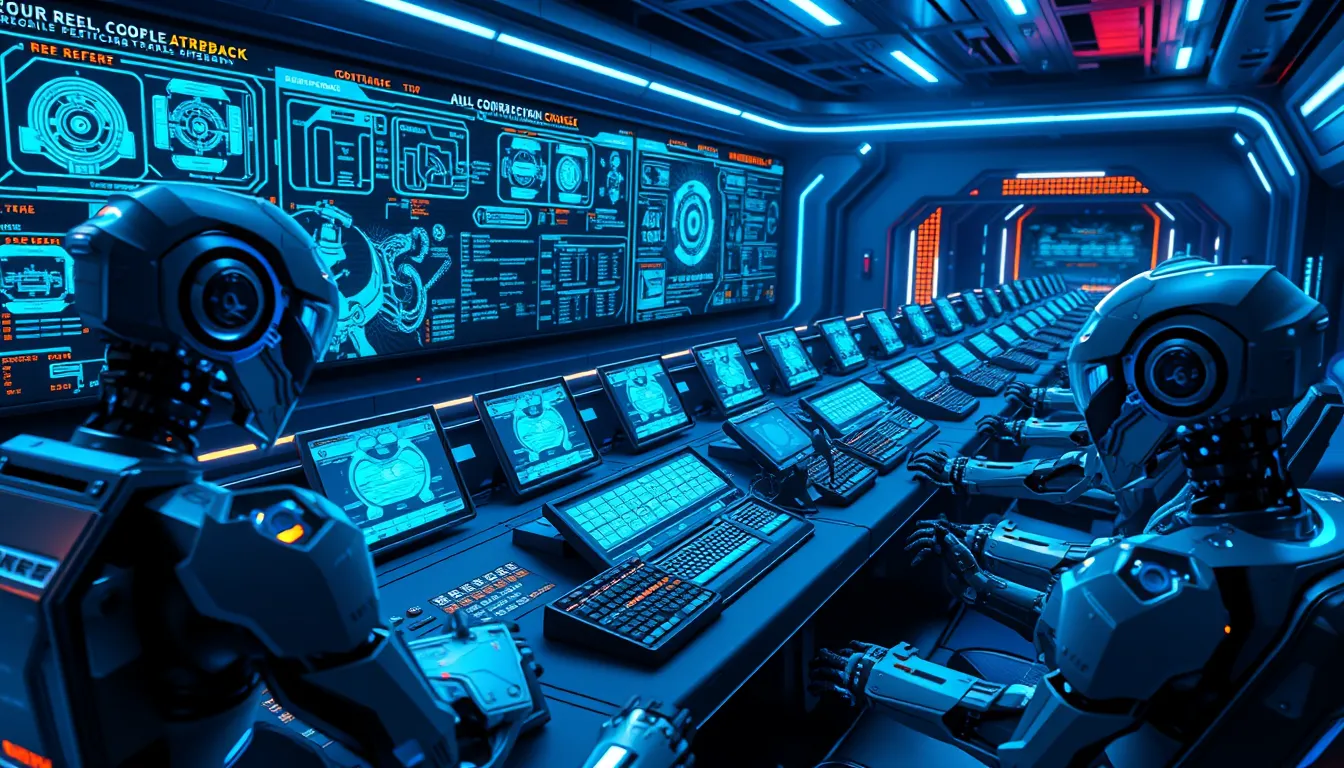
Medical imaging is one of the most significant applications of AI in healthcare diagnostics. Integrating AI into radiology enhances the quality and speed of image interpretation. Radiologists now have a reliable assistant that can help them identify abnormalities, quantify changes over time, and deliver consistent evaluations. The introduction of AI in healthcare diagnostics has drastically reduced the workload for radiologists and minimized diagnostic errors.
For further insights on AI integration in radiology, you can visit the research page of the National Institutes of Health (NIH) at https://www.nih.gov.
Overcoming Challenges and Embracing Innovation
Despite its powerful potential, the adoption of AI in healthcare diagnostics does present challenges. Hospitals and clinics must invest in advanced hardware and training programs to fully integrate these systems. However, the benefits far outweigh the challenges. With continuous improvements and the possibility of leveraging AI for disease prediction, healthcare professionals are better equipped to manage patient care. Embracing innovation today sets the stage for a healthier tomorrow.
The Future of AI Disease Prediction
Another exciting front is the use of AI for disease prediction. By analyzing historical patient data and current health metrics, AI can forecast potential health risks. This proactive approach helps in the early identification of high-risk patients, allowing for timely interventions. When combined with AI in healthcare diagnostics, these technologies form a robust ecosystem that supports preventive care and personalized treatment strategies.
Integration and Practical Applications
Successful integration of AI in healthcare diagnostics requires collaboration between IT experts, medical professionals, and technology providers. Many leading tech companies like OpenAI (visit https://openai.com) are partnering with healthcare institutions to develop smart solutions that improve diagnostic workflows. The following practical applications illustrate this integration:
- Remote diagnostics in rural areas, increasing accessibility to quality healthcare.
- Automated analysis of imaging data, reducing wait times for patients.
- Predictive analytics that assist in early disease detection and prevention.
Conclusion
In conclusion, AI in healthcare diagnostics is not just a technological trend—it is a transformative tool that redefines the landscape of medical diagnostics and patient care. With enhanced imaging analysis, improved diagnostic accuracy, and innovative disease prediction methods, this technology is set to revolutionize healthcare. As the field continues to evolve, both healthcare providers and patients stand to gain immensely from these advancements.
Embracing AI in healthcare diagnostics means moving forward with strength and confidence. It not only underscores the importance of integrating modern technology in traditional medical settings but also highlights the continuous drive towards a more proactive and precise approach to healthcare. The journey of integrating AI into diagnostics is a testament to human ingenuity and the relentless pursuit of improved patient outcomes. With advancements such as these, the future of healthcare is bright, promising, and more accessible for everyone.
By steadily increasing the adoption of AI and refining its application in diagnostics, the healthcare industry can look forward to a future where every patient receives timely, accurate, and personalized care. The revolution of AI in healthcare diagnostics is here to stay, continuously striving to enhance the quality of medical care across the globe.
Stay Informed With the Latest & Most Important News
Previous Post
Next Post














Advertisement