



Now Reading: Stability AI Lawsuit: Legal & Copyright Impact on AI Innovation
-
01
Stability AI Lawsuit: Legal & Copyright Impact on AI Innovation

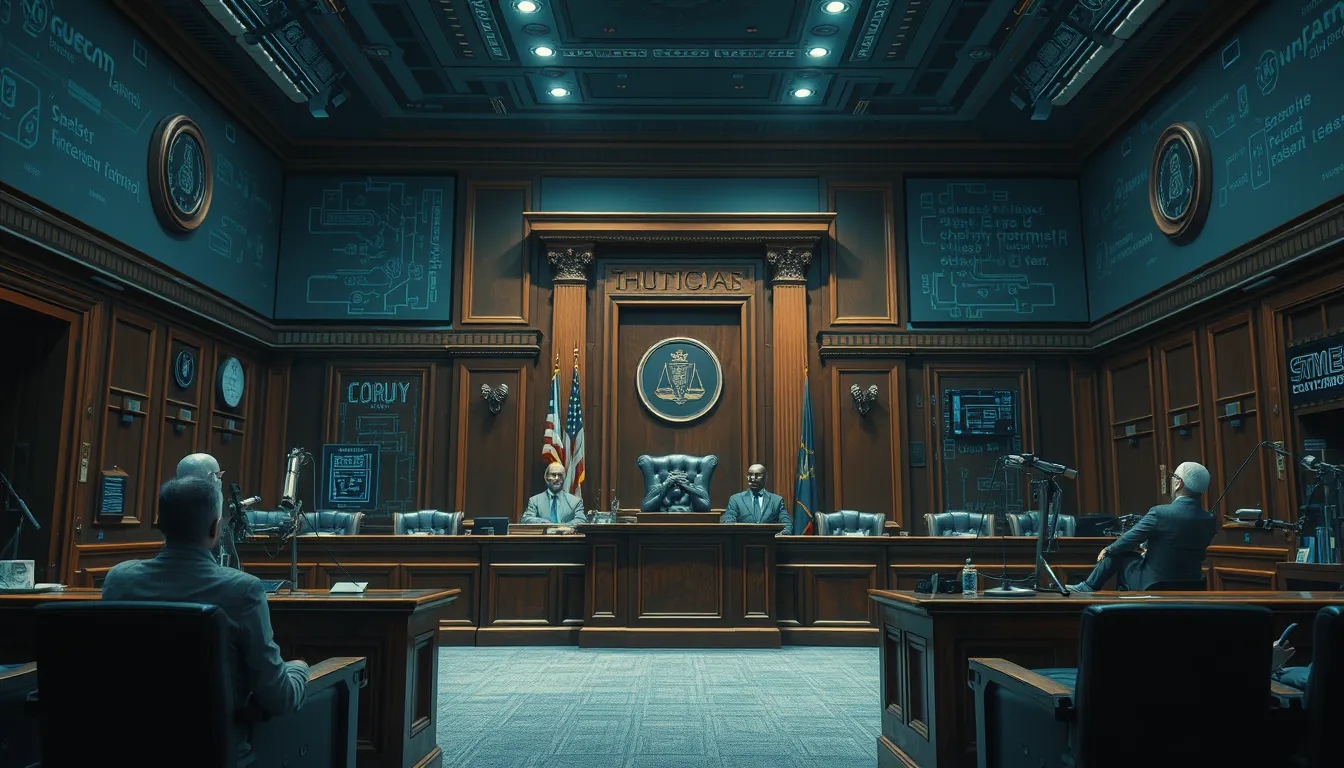
Stability AI Lawsuit: Legal & Copyright Impact on AI Innovation
The Stability AI lawsuit has set a new benchmark in the evolving intersection of technology and copyright law. In this landmark case, key players such as Getty Images became embroiled in a legal battle highlighting issues of copyright infringement AI, transformative use copyright, and the broader impact on digital copyright reform. As this story unfolds, the Stability AI lawsuit continues to drive discussions among legal experts, tech innovators, and content creators.
Background of the Lawsuit
In a high-profile legal conflict, Getty Images initiated a lawsuit against Stability AI for allegedly using its extensive image library without permission. The allegations centered on copyright infringement AI and questioned whether the use of such images for training generative models could be classified as a direct violation of intellectual property in AI. Getty Images, renowned for its vast collection and a dominant presence in the creative industry (visit their official site at Getty Images), argued that the unauthorized usage devalued the work of professional photographers.
The Case for Transformative Use
One of the crucial defenses in the Stability AI lawsuit was the argument for transformative use. The court examined whether the process used by Stability AI to train its models with copyrighted images was transformative enough to qualify under fair use principles. Legal experts, citing the case as an example of transformative use copyright, noted:
- The transformation of raw image data into innovative and non-derivative content.
- The distinction between using materials for inspiration versus direct duplication.
- The potential for fostering innovation without compromising the market for original artworks.
How Stability AI Won Copyright Lawsuit
A closer look at how Stability AI won copyright lawsuit reveals a multi-faceted legal strategy. The court ruled that the use of Getty Images’ content in the training phase did not directly reproduce the original works. Instead, the process involved creating new, unique outputs based on pattern recognition and data transformation. The decision highlights key aspects:
- The difference between reproduction and transformation.
- The burgeoning role of AI legal precedent in modern litigation.
- The necessity for revisiting copyright frameworks in the AI era.
Legal Implications and Industry Reactions
The Stability AI lawsuit has broader implications that extend beyond the immediate legal victory. Industry experts and legal analysts are now closely examining the legal implications of training AI with copyrighted images. The debate centers on whether such practices encourage innovation or undermine the rights of content creators. Some worry that a win for Stability AI might embolden others to bypass established copyright norms.
- The impact of generative AI on copyright, particularly in redefining creative boundaries.
- The role of intellectual property in AI and how companies secure rights for data usage.
- The future of copyright law in AI era, as lawmakers and courts grapple with rapidly evolving technology.
Broader Impact on Copyright Law and AI Innovation
The outcome of the Stability AI lawsuit is sparking a critical dialogue on the future of copyright and AI. While the ruling is celebrated by tech savants for supporting AI innovation, it equally raises concerns regarding fair compensation for original artists. This balance between promoting technological advancement and protecting creative rights is at the heart of the ongoing debate.
- How Stability AI’s strategy could influence future cases involving copyright infringement AI.
- The need for updated guidelines that define clear boundaries for transformative use in AI training.
- The potential for regulatory reforms aimed at digital copyright reform to protect both innovation and artistic integrity (for more on copyright laws, visit Copyright.gov).
Conclusion
In conclusion, the Stability AI lawsuit is more than just a legal victory; it is a turning point for the entire AI and creative industries. By emphasizing the transformative potential of using copyrighted works for training AI, the ruling paves the way for further innovation while simultaneously inviting rigorous debate over intellectual property rights. As stakeholders continue to assess the long-term impact, key questions remain about the balance between fostering technological breakthroughs and safeguarding the creative ecosystem.
As the discussion around the Stability AI lawsuit deepens, both enthusiasts and critics are watching closely to see how this legal precedent will shape future practices and regulatory frameworks in the intersection of AI and copyright law. The ongoing dialogue signifies an important step towards a more nuanced approach to digital copyright reform and highlights the challenges and opportunities presented by the integration of technology and law.
Ultimately, the Stability AI lawsuit stands as a critical case study in understanding the evolving landscape of intellectual property in the digital age, setting the stage for what could be a significant shift in how legal systems around the world address the impact of generative AI on copyright.
Stay Informed With the Latest & Most Important News
Previous Post
Next Post
















Advertisement